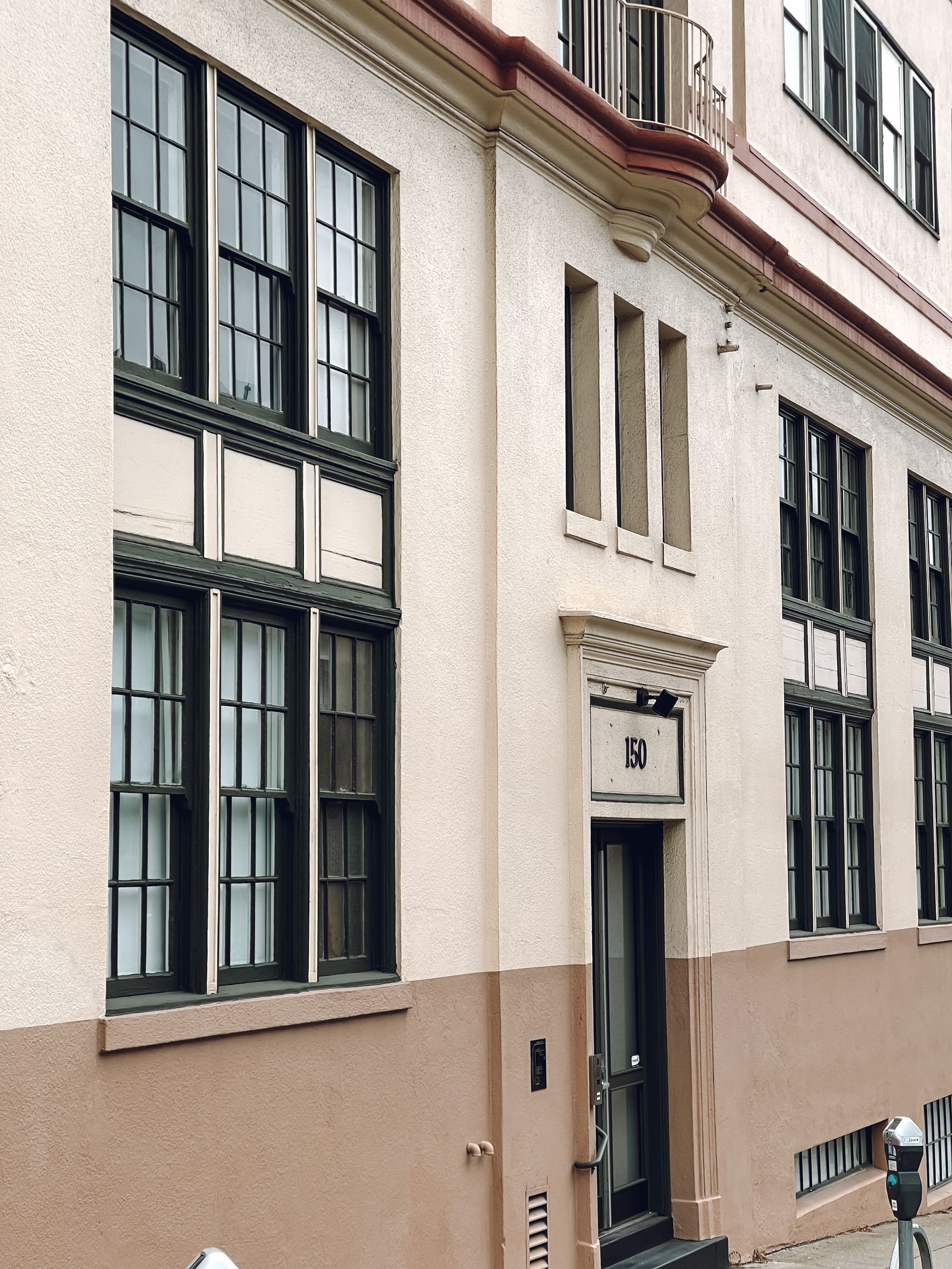
Soft washing uses chemistry and controlled water impact
Soft washing generally pairs a compatible cleaning solution with controlled dwell time and a measured rinse. It can fit tested surfaces where organic growth, algae-like staining, mildew-like film, pollen, bird residue, or atmospheric soil is the primary condition and where the property can protect plants, people, openings, and drainage. The benefit is not a promise of zero risk; it is the ability to address a compatible deposit without depending on maximum water impact.
Soft washing does not make every stain a cleaning problem. Salt, mineral scale, oxidation, rust, soot, old paint, failed sealant, damaged masonry, and coating failure may need specialty treatment or repair. A test area gives a Hampton facility manager a better basis for scheduling and helps separate a likely cleanable condition from a facade defect. The scope should state the expected improvement and limitations before the broad elevation is started.
Pressure washing belongs on selected durable surfaces
Pressure washing uses water impact to release compatible loose soil from materials that can tolerate the chosen pressure, nozzle, distance, flow, and technique. It may fit portions of concrete walks, curbs, loading areas, parking structures, or other durable hardscape when splash, traffic, and runoff can be controlled. It is not automatically suitable for old mortar, fragile coatings, EIFS, weathered trim, decorative brick, window seals, or openings where water could enter behind the facade.
More pressure does not guarantee a better Hampton result. It can etch concrete, stripe a surface, remove paint, disturb joints, drive water behind openings, damage seals, or scatter soil toward an occupied entrance while leaving organic discoloration behind. On a coastal property, the comparison should also consider salt residue, sand, windborne overspray, customer separation, landscaping, air intakes, vehicles, and the route to a stormwater feature. The complete process matters more than a pressure number.
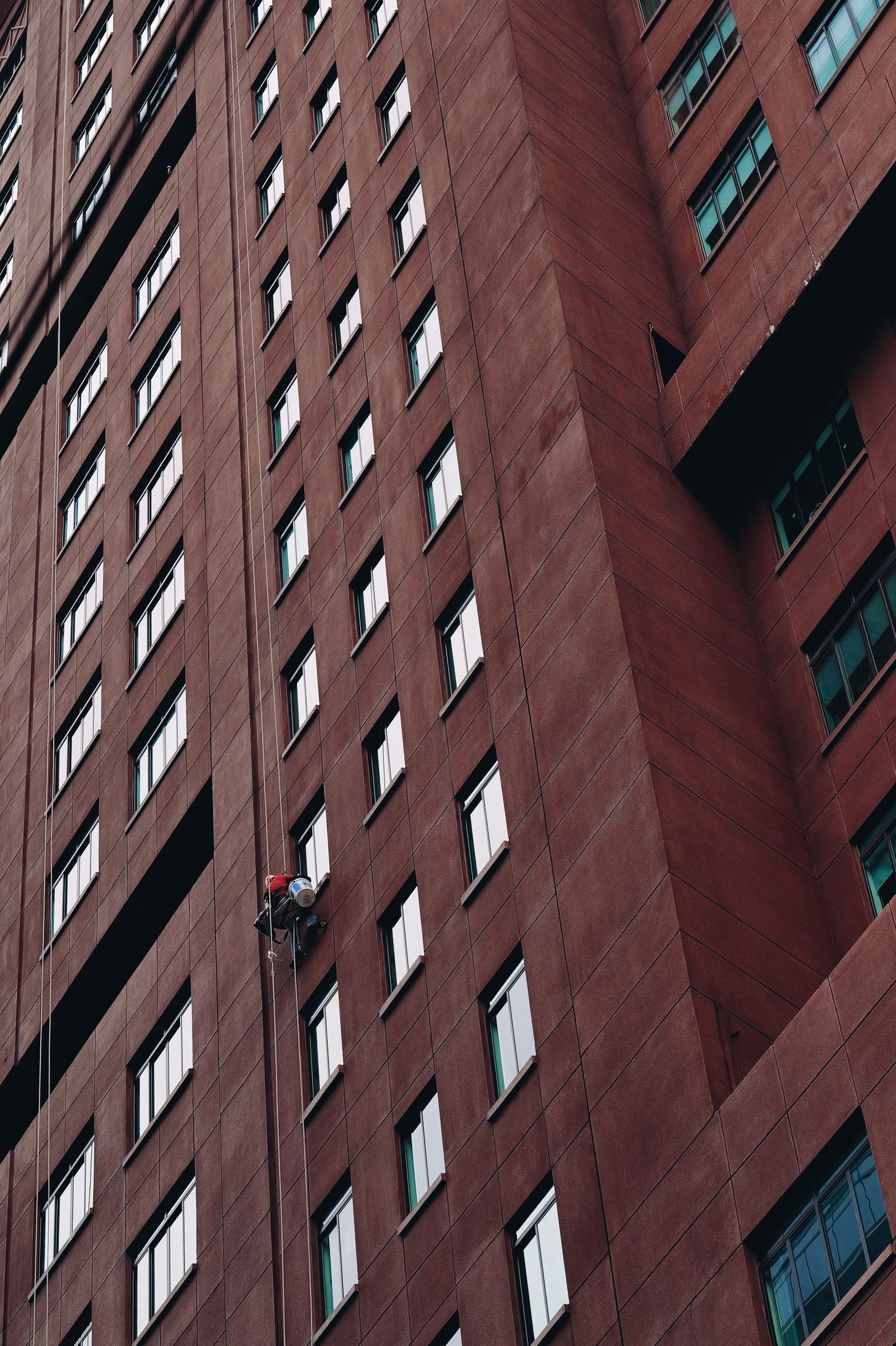
Assign methods by Hampton district, elevation, and use
Downtown Hampton can put storefront glass, older masonry, awnings, public sidewalks, outdoor dining, and event activity in a tight working area. A tested soft wash may fit compatible growth on a shaded masonry elevation, while hand detail or a different process may be needed around glass and fragile joints. Peninsula Town Center may combine retail, restaurants, parking, tenant entries, and drive aisles, making customer separation and predictable sequencing as important as the chosen cleaning method.
Mercury Boulevard properties may have high traffic, drive-through lanes, signs, canopies, medical offices, and shared access. A durable concrete service area might tolerate controlled pressure while nearby painted metal or EIFS needs a gentler approach. A facility near NASA or the shipyard may have security, photography, vendor, delivery, or restricted-area rules. Those conditions do not imply a contract or special access; they simply belong in the property's own coordination plan. Assign each elevation the suitable process instead of forcing one method across the building.
A visible green mark under a roof edge may be biological growth, while a bright streak on metal may be oxidation or salt. A lower wall beside a parking lot may carry sand-bound traffic film, and a wall below a broken downspout may be showing a drainage issue. Method selection should follow the observed cause and material, with repair or another trade identified where cleaning cannot solve the source.
Include salt, humidity, wind, storms, and sand in the comparison
Coastal salt can leave residue on Hampton glass, metal, painted finishes, hardware, and lower elevations. Humidity and shade can support recurring organic staining beneath canopies, near landscaping, on north-facing walls, and around recessed entries. Wind can move sand into corners, carry spray toward a public route, and complicate hoses, barriers, lifts, or aerial work. Rain and coastal storms can dilute an application, change drainage, expose weak joints, or make a cleaned surface difficult to inspect before handback.
A good schedule states forecast, wind, lightning, rain, humidity, surface temperature, drying time, and operating limits. Direct sun may shorten dwell time on one elevation while a shaded wall remains wet. Storms can leave the ground slick or change where water runs. Pause triggers should be agreed before staging, and a delayed elevation should be documented rather than completed under conditions that undermine finish, traction, public separation, or equipment control.
Compare access and aerial feasibility without overselling it
Aerial assistance may support broad upper-wall fields when launch space, recovery space, visual control, stand-off distance, wind, airspace, facade compatibility, drainage, and ground controls are suitable. It does not eliminate contact work for recessed details, windows, ledges, balconies, roof equipment, wires, trees, ornate trim, or sensitive finishes. A hybrid plan may assign an upper field to aerial equipment, durable hardscape to controlled ground washing, and details to a lift, water-fed tools, or hand work.
Commercial drone work must follow applicable Federal Aviation Administration requirements and the property's own security and access rules. Near NASA or shipyard-adjacent operations, the address may require additional coordination or make aerial work impractical. Busy Downtown sidewalks, Peninsula Town Center parking, Mercury Boulevard traffic, events, and delivery lanes can also change the ground plan. Ask which zones are proposed, what controls apply, what weather limits stop the work, and what backup method covers an excluded area.
Compare water management before comparing price
Both soft washing and pressure washing create water-management questions. Hampton properties may slope toward curb inlets, planted beds, swales, garages, loading areas, sidewalks, or neighboring parcels. Before work, map drains, low points, doors, air intakes, irrigation, vehicles, accessible routes, and public paths. Depending on the product, soil, rinse volume, slope, drainage, and property requirements, the plan may use protection, diversion, collection, recovery, reduced-rinse methods, filtration, or coordination with the responsible authority. A drain at the curb is not automatic authorization to discharge.
Operating schedules matter too. A downtown retailer may need a pre-opening frontage sequence, a hotel may need guest-arrival protection, an office may prefer work around arrival and departure, and a warehouse may need dock and shift coordination. Request the test area, method by elevation, weather limits, water assumptions, public controls, drainage approach, intended finish, exclusions, and closeout standard before comparing prices. A lower number with undefined protection or handback can be a poor commercial fit.
Use the comparison to request a property-specific quote
Start with the Hampton address, facade photos, approximate height, materials, priority elevations, visible deposits, desired result, operating hours, water source, drainage concerns, and restrictions involving customers, tenants, employees, deliveries, security, events, NASA-adjacent rules, or shipyard-adjacent rules. A remote review, site visit, or test area may be appropriate. The scope should distinguish facade washing from glass detailing, mineral removal, oxidation treatment, construction film, graffiti, coatings, and repairs.
If aerial assistance is proposed, ask which elevations it covers, how the area will be controlled, what weather or airspace limits apply, and what ground method is available for details or changing conditions. Drone Building Cleaners can help match the method to the property rather than assume soft washing or pressure washing is right everywhere. Call +1 239-351-2897 or email contact@dronebuildingcleaners.com to get in touch and request a Hampton quote.